“AI for the rest of us.” This phrase encapsulates Apple’s consumer-first approach to generative artificial intelligence (GenAI). Unlike the centralized AI strategies of other tech giants, Apple’s AI vision is rooted in user privacy and on-device processing. This presents a unique opportunity for banks to learn from Apple’s innovative approach and enhance their AI applications’ safety, security, and personalization.
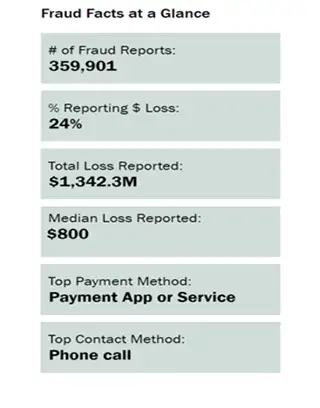
In the first half of 2024, banks reported over $1.3 Billion in scam-related losses involving vishing (voice phishing), where scammers impersonate trusted individuals to extract personal information. Centralized systems often fail to detect such scams promptly, and banks currently need a reliable and scalable way of doing so. However, the model can analyze voice patterns and detect real-time anomalies with on-device AI, offering immediate and robust protection.
Another example is the recent outage in MS Windows due to inadequate patch releases. This highlights the vulnerabilities of centralized systems. In the future, as GenAI agents handle sensitive tasks like credit card transactions, banks need robust, safe, transparent, and decentralized AI solutions. Apple’s on-device AI approach is a shiny example of the future of AI in banking.
AI management remains complex, often filled with buzzwords and various interpretations. Banks face a strategic decision between focusing on core processing efficiency and delivering personalized customer experiences. A balanced approach, integrating cost-efficient processing with improved customer services, is not just essential, but a strategic necessity in today’s AI landscape.
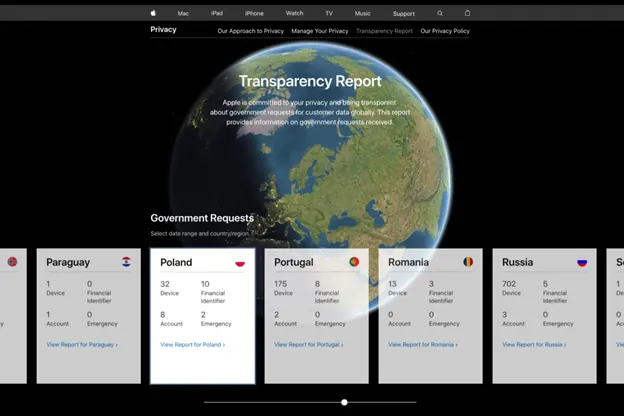
Apple provides regular updates and reports on data management, a practice banks can emulate. Transparency reports should inform customers about AI decision-making processes, data usage, and third-party integrations. These reports should be accessible and comprehensible, helping customers stay informed and confident about their data security.
As AI regulations evolve, Apple’s privacy-centric approach provides a proactive framework for compliance. Banks adopting similar strategies will be better positioned to navigate regulatory challenges while maintaining customer trust.
Following Apple’s lead can help banks build trust and credibility, driving wider adoption of AI technologies in the financial sector.
Our next blog will explore how AI on the edge could reduce and prevent fraud and scams.